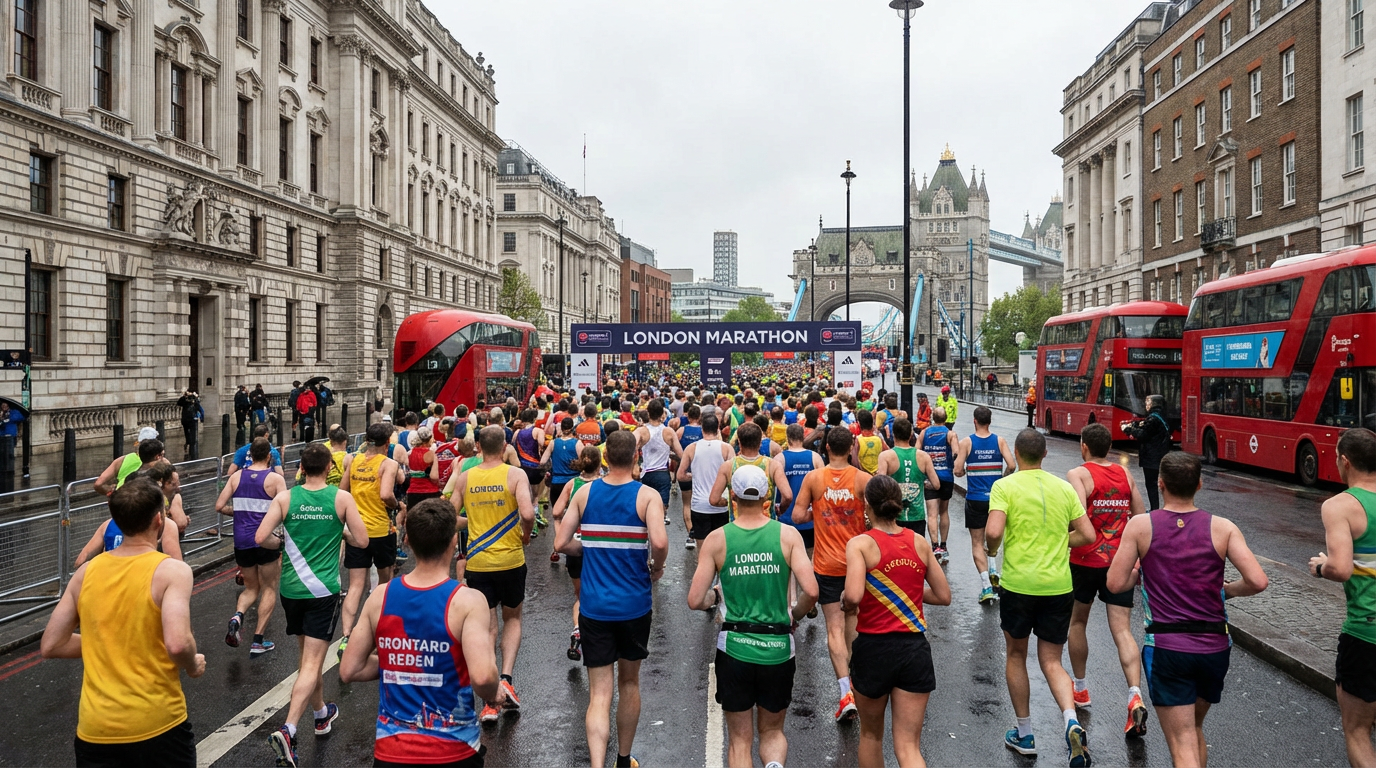
The TCS London Marathon is a few days away. Whether you’re crossing that start line for the first time or are a seasoned pro, your spine and nervous system will play a bigger role in your race, and in your recovery, than most training plans acknowledge.
Why the nervous system (and not just the legs) runs a marathon
Every stride across London’s 26.2 miles is a neurological event before it’s a muscular one. The brain sends a motor signal; the spinal cord relays it; the muscles respond. When spinal joints are restricted or subluxated, that signal pathway becomes inefficient. Muscles fire at the wrong time, in the wrong sequence, with reduced precision and the body begins to compensate.
The neuroscience behind chiropractic care
Dr. Heidi Haavik’s research at the New Zealand College of Chiropractic has shown that chiropractic adjustments alter how the prefrontal cortex processes sensorimotor information. The brain becomes better at knowing where the body is in space (proprioception) which directly governs running economy, joint stability, and injury risk across all the 50 000 steps of a marathon.
The five most common London Marathon injuries explained
These injuries rarely begin in isolation. They are the visible sign or deeper compensations and those compensations usually originate in the pelvis and spine.
- IT band syndrome
ITB syndrome is often driven by weakness in the hip abductors, abdominals and glutes frequently tracing back to lumbar or sacroiliac joint dysfunction. When these muscles underperform, the iliotibial band takes on load it was never designed to carry, producing the characteristic lateral knee pain.
- Plantar fasciitis
Repetitive strain on the plantar fascia, driven by high impact loading and sudden increases in training volume, is compounded by excessive pronation. That pronation is often the body’s compensation for reduced ankle dorsiflexion, which itself is linked to restricted lumbar and sacral mechanics. Adjust the spine and the plantar load reduces, preventing the inflammation of the fascia
- Runner’s knee (patellofemoral pain syndrome)
Abnormal tracking of the patella in its groove most often originates from pelvic asymmetry and imbalance in the leg muscle chain. When the pelvis is unlevel, the angle of pull through the quadriceps tendon shifts, placing repeated lateral stress on the patella over thousands of foot strikes. Correcting pelvic alignment changes the entire force vector through the knee.
- Shin splints (medial tibial stress syndrome)
Tibial stress frequently relates to altered gait mechanics, particularly tight calves and restricted hip flexors, which create compressive and bending forces through the tibia that accumulate with mileage. When the lumbar spine and sacrum are not distributing load efficiently through the kinetic chain, the lower leg absorbs forces it should not be managing alone..
- Hamstring strain
Recurring hamstring tears are strongly associated with sacroiliac joint dysfunction, which reduces optimal motor control at the hip. When the SI joint is not moving correctly, the surrounding musculature , including the hamstrings, must compensate dynamically on every stride, dramatically increasing the risk of strain under fatigue.
From the Northcote team
Over the past months, we’ve had the genuine privilege of supporting a number of this year’s London Marathon runners, from early long runs through to race-week preparation. Northcote Chiropractic has been proud to run alongside our local running community, in every sense. To everyone lining up in Greenwich on Sunday: your spine has been part of your training. Let’s make sure it supports your recovery too.
What chiropractic does that stretching alone can’t
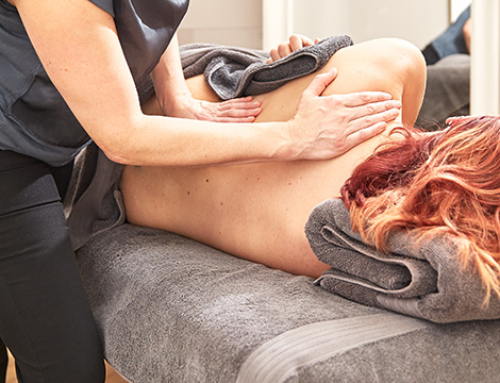
Stretching addresses muscle length. Massage addresses tissue tension. Chiropractic adjustment addresses the joint mechanics and neurological signalling that govern both. A restricted thoracic spine doesn’t just reduce rotation it forces compensatory movement through the lumbar vertebrae on every arm swing, across every one of those 50 000 steps
Regular adjustments restore normal joint motion, reduce mechanoreceptor inhibition, and allow the neuromuscular system to distribute load as it was designed to rather than shunting force toward structures that were never meant to absorb it repeatedly.
Post-marathon recovery: your week-by-week guide
Crossing The Mall is a triumph. What happens in the two weeks that follow will determine how quickly your body rebuilds,and whether you’re back running comfortably in four weeks or dealing with a compensation injury that didn’t show up until the adrenaline wore off.
| Days 1–2 Rest & circulation |
Walking is better than lying still: gentle movement keeps lymphatic drainage active. Compression socks are a must. Cold water immersion (10–15 min) within 24 hours reduces acute inflammation. Prioritise protein within 30 minutes of finishing, and sleep as much as your body asks for. |
| Days 3–5 Structural reset |
The optimal window for a post-marathon chiropractic assessment. Your spinal joints have absorbed enormous repetitive loading. Adjustment at this stage helps restore joint mobility, reset proprioceptive signalling, and down-regulate the sympathetic nervous system from its race-state activation. |
| Week 2 Gentle reactivation |
Short walks, swimming, and yoga only. No running until the end of week two at the earliest. Most post-marathon injuries occur here, when runners return too soon, operating on residual adrenaline rather than genuine readiness. A follow-up chiropractic check at this point is advisable. |
| Weeks 3–4 Careful rebuild |
Begin easy 20-minute jogs. A second chiropractic assessment now is valuable, compensation patterns from race week often surface at this point. Addressing them early protects the start of your next training block and prevents minor issues becoming chronic. |
Why post-marathon chiropractic assessment matters
Research in the Journal of Chiropractic Medicine has shown that repetitive impact loading alters proprioceptive awareness in the lower limb for up to 72 hours after a marathon. Chiropractic adjustments help restore sensorimotor cortex processing speed, enabling your body to relearn where it is in space, and reducing the risk of the falls, sprains, and compensation injuries that cluster disproportionately in the weeks following a race.
Ready to find out more?
Book your post-marathon recovery assessment
Battersea, London SW11 6RX
Phone: 020 7350 1100
Email: info@northcotechiropractic.co.uk
northcotechiropractic.com
This content is for educational purposes. If you are experiencing acute pain or injury, please consult a registered healthcare professional. All practitioners at Northcote Chiropractic are registered with the General Chiropractic Council (GCC).