If you’ve ever wondered why your chiropractor gently touches your head during an adjustment, or why they place wedge-shaped blocks under your pelvis, you might be experiencing Sacro Occipital Technique (SOT). This gentle yet profoundly effective approach to chiropractic care has been helping families achieve better health for nearly a century, yet many people don’t fully understand what makes it so special.
What Is Sacro Occipital Technique?
Sacro Occipital Technique is a holistic approach to chiropractic healthcare which includes detailed analysis and corrections for the spine, pelvis, cranium, extremities and visceral system. The name itself tells you what it focuses on: the relationship between your sacrum (the triangular bone at the base of your spine) and your occiput (the base of your skull).
Emphasis is placed on the structural integrity of the human body to allow stability and movement. Especially in modern times, the human body experiences stresses that disrupt its physiology, and SOT promotes homeostasis—your body’s natural state of balance and optimal function.
The Story Behind SOT: From Engineering to Healing
Sacro Occipital Technique was first developed by Dr. Bertrand DeJarnette (affectionately known as “the Major”) in the USA in 1925. His journey to creating this technique is as remarkable as the technique itself.
Originally an engineer, DeJarnette suffered severe injuries after an explosion which eventually led him to spinal manipulative treatment, which he credited with saving his life. He was so influenced by his experience that he trained in both osteopathy and chiropractic, bringing his engineering mind to understanding the human body.
DeJarnette spent decades performing clinical research to develop a unique chiropractic approach, focusing on normalizing the relationship between the sacrum and the occiput, specifically cerebrospinal fluid (CSF) dynamics. His technique includes detailed procedures, using specific indicator-based protocol for analyzing and treating pelvic, spinal, cranial, visceral and extremity disorders. The research and the fruits of his research were a synthesis of his knowledge of chiropractic, osteopathy, and engineering.
He had a true passion for understanding the human body and the effects of chiropractic adjustments on physiology. As well as being a dedicated researcher, he was a prolific writer and published his work and conclusions in over 100 papers, booklets and books. DeJarnette researched and published his findings until the mid-1980s, when he was well into his eighties, and died in 1992 at the age of 93.
The Science: Understanding the Sacrum-Occiput Connection
To understand why SOT is so effective, we need to understand what’s happening in your body at a fundamental level.
Your brain and spinal cord are bathed in cerebrospinal fluid (CSF), which flows in a rhythmic pattern from your head down to your sacrum and back up again. This isn’t just any fluid—it’s essential for nervous system health. CSF delivers nutrients to your brain and spinal cord, removes metabolic waste products, maintains optimal pressure around your central nervous system, and protects these delicate structures from shock and injury.
Think of your cerebrospinal fluid like the oil in your car’s engine. When it flows properly, everything runs smoothly. When flow is restricted or pressure is imbalanced, problems start to emerge throughout the system.
The sacrum and occiput act like two pumps at either end of your spinal system. When they move properly in relation to each other, they support healthy CSF flow. When the movement between your sacrum and skull is restricted or imbalanced, it can affect this fluid circulation and your overall nervous system function.
This is where DeJarnette’s engineering background becomes so relevant. He understood load-bearing structures, balance points, and how dysfunction in one area creates compensatory problems elsewhere. He approached the human body as an integrated structural system, not just a collection of individual parts.
How Does SOT Work?
SOT integrates easily and seamlessly with other chiropractic systems, allowing practitioners to use several different techniques and approaches simultaneously to gather large amounts of information about underlying cranial, spinal and organ-related problems. These are then corrected using highly effective specific methods.
The Assessment Process
One of the most distinctive features of SOT is its indicator-based protocol. Your chiropractor isn’t guessing what needs to be addressed—your body is providing specific signals that guide the treatment.
During an SOT assessment, your chiropractor will observe changes in leg length (which indicate pelvic imbalance), assess muscle responses throughout your body, palpate (examine by touch) specific points on your spine, pelvis, and skull, evaluate cranial movement and tension patterns, and check for indicators of organ stress or dysfunction.
These indicators tell a detailed story about what’s happening in your body and, crucially, in what order things need to be addressed. The body has its own priorities for healing, and SOT helps us work with that natural wisdom rather than against it.
The Treatment Approach
SOT treatment is remarkably gentle, which is one reason it’s so suitable for everyone from newborn babies to elderly patients.
The most recognizable aspect of SOT is the use of padded wedges or blocks placed under your pelvis while you lie face-down on the treatment table. These blocks use your body weight and breathing to gently encourage your pelvis and spine back into better alignment. It might not look like much is happening—you’re basically lying there—but gravity and your own body mechanics are doing powerful corrective work.
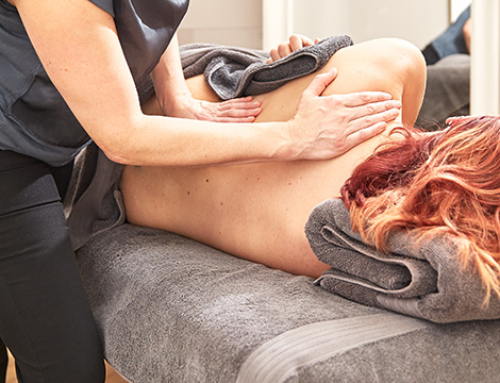
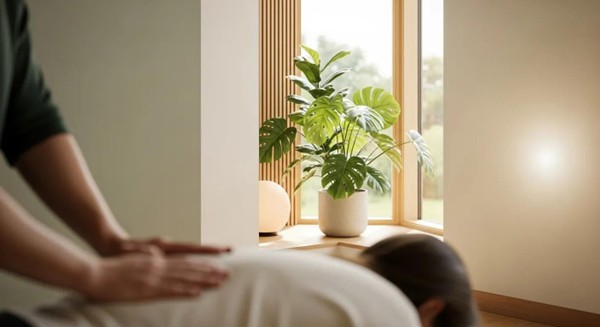
Your chiropractor will also perform gentle cranial work, using light fingertip pressure on your skull to address tension patterns and support proper movement of the cranial bones. They may work on specific spinal segments using gentle, precise adjustments, address extremity issues (shoulders, hips, knees, ankles), and sometimes incorporate visceral techniques to support organ function.
The pressure used in SOT is incredibly light, especially for cranial work. We often describe it as about the same pressure you’d use to test the ripeness of a tomato. There are typically no “cracks” or “pops” like you might experience with some other chiropractic techniques, making it extremely comfortable for most people.
The Benefits: How SOT Improves Your Health
Nervous System Optimization
At its core, SOT is about optimizing nervous system function. Your nervous system controls and coordinates everything in your body, from your heartbeat and digestion to your immune response and emotional regulation. When your nervous system is working optimally, your entire body functions better.
By improving cerebrospinal fluid flow and reducing stress on your nervous system, SOT supports better communication throughout your body, enhanced ability to heal and repair, improved stress response and resilience, and better overall regulation of all body systems.
Structural Balance and Pain Relief
Many people first come to chiropractic care because something hurts. SOT is particularly effective for addressing headaches and migraines, low back pain, neck pain and tension, jaw pain and TMJ disorders, and pelvic pain and dysfunction.
But here’s what makes SOT different: rather than just treating the symptom, it addresses the underlying structural imbalances that created the problem in the first place. This means more lasting relief and prevention of future issues.
Digestive and Organ Health
This is where SOT really stands apart from many other chiropractic techniques. Because it addresses the visceral system (your organs), SOT can help with digestive issues like reflux, constipation, and bloating, respiratory problems, menstrual irregularities and pelvic organ dysfunction, and general organ stress and dysfunction.
Your organs are connected to your spine through nerves and fascial (connective tissue) connections. When there’s spinal dysfunction or cranial imbalance, it can affect how your organs work. SOT addresses these connections directly.
Emotional and Mental Wellbeing
While we often think of chiropractic as being about physical health, the connection between your nervous system and emotional wellbeing is profound. Many people report improvements in anxiety and stress levels, sleep quality, mental clarity and focus, and overall sense of calm and wellbeing after SOT care.
This isn’t surprising when you understand that SOT is supporting your nervous system’s ability to regulate itself and respond appropriately to stress.
SOT for Different Life Stages
Pregnancy and Postpartum Care
SOT is beautifully suited for pregnancy care. The gentle nature of the technique makes it safe and comfortable even in late pregnancy, and the focus on pelvic balance is crucial for optimal fetal positioning and easier labour.
The sacrum plays a central role in pregnancy and birth. When your pelvis is balanced, your baby has more room to get into the ideal position for birth. SOT helps maintain that pelvic balance throughout pregnancy.
After birth, SOT can help your body recover by addressing the structural changes that occurred during pregnancy and birth, supporting pelvic floor recovery, helping with common postpartum issues like back pain or pelvic instability, and optimizing your nervous system as you navigate the stress and sleep deprivation of new parenthood.
Infants and Children
Adjusting babies and children with SOT is one of the gentlest forms of healthcare you can imagine. The pressure used is so light that babies often sleep through their adjustments or feed contentedly during treatment.
Birth, even straightforward uncomplicated births, can be physically stressful for babies. The journey through the birth canal, or the process of cesarean delivery, can create tension patterns in a newborn’s spine and nervous system. SOT helps address these patterns early, supporting optimal development.
For babies, SOT can help with feeding difficulties and latching problems, colic and excessive crying, sleep issues, reflux, torticollis (head preference to one side), and general settling and comfort.
For older children, SOT supports growing bodies by addressing postural issues from backpack wearing and desk sitting, sports injuries, growing pains, concentration and behavioral issues linked to nervous system stress, and immune system function.
The incredibly gentle nature of SOT means children find it comfortable and non-threatening. Many children actually enjoy their adjustments and become more relaxed and settled afterward.
Adults and Active Individuals
For adults, SOT offers comprehensive care that addresses not just pain but overall function and performance. Whether you’re dealing with chronic pain conditions, recovering from injury, managing stress, or simply wanting to function at your best, SOT provides the detailed analysis and gentle yet effective corrections your body needs.
Athletes and active individuals particularly benefit from SOT’s whole-body approach. Rather than just treating the injured area, SOT addresses the underlying biomechanical imbalances that may have contributed to injury and can help prevent future problems.
Seniors and Age-Related Issues
As we age, maintaining nervous system health becomes increasingly important. SOT’s gentle nature makes it ideal for older bodies, while its effectiveness means it can still create meaningful change.
SOT can help seniors with balance and coordination issues, arthritis pain and stiffness, digestive issues that often increase with age, sleep problems, and maintaining independence and quality of life.
Common Conditions That Respond Well to SOT
While SOT supports overall health and wellbeing, certain conditions respond particularly well to this approach.
Headaches and Jaw Pain
When you experience jaw pain, it’s rarely just about your jaw. Your temporomandibular joint (TMJ) is closely connected to your neck and upper spine. The muscles that control your jaw connect to your skull, neck, and upper back, and the nerves that control jaw function come from your upper cervical spine.
SOT addresses the whole picture by working on cranial balance to release tension in the jaw joint itself, adjusting the upper cervical spine to improve nerve function to the jaw area, releasing muscle tension throughout the head, face, and neck, and identifying and addressing any pelvic imbalances that are creating compensatory tension patterns up the spine into the neck and jaw.
Many people who have struggled with jaw pain, clicking, difficulty opening their mouth fully, or tension headaches find significant relief through SOT care.
Digestive Issues
The vagus nerve, which controls much of your digestive function, travels from your brainstem down through your neck and into your abdomen. When there’s tension or dysfunction in your upper neck or cranium, it can affect vagal nerve function and contribute to digestive problems.
SOT’s cranial work helps optimize vagus nerve function, while the visceral component of the technique addresses organ-specific issues directly. This makes it particularly effective for conditions like reflux (in both babies and adults), chronic constipation, irritable bowel syndrome, and general digestive discomfort.
Pelvic Pain and Dysfunction
Given that SOT specifically addresses sacral and pelvic function, it’s no surprise that pelvic pain responds well to this approach. This includes lower back pain with pelvic involvement, sacroiliac joint dysfunction, pelvic floor dysfunction, pregnancy-related pelvic pain, and postpartum pelvic issues.
The gentle blocking technique allows your pelvis to realign without force, using your own body weight and natural movement to encourage proper positioning.
Sleep Problems
Many people are surprised to find their sleep improves with SOT care. This happens because SOT supports nervous system regulation, which is essential for healthy sleep cycles. When your nervous system is stressed or dysregulated, it’s harder to fall asleep, stay asleep, and achieve restorative deep sleep.
By optimizing cerebrospinal fluid flow, reducing physical tension and discomfort, supporting better stress response, and improving overall nervous system function, SOT helps create the conditions for better sleep.
What to Expect During SOT Treatment
If you’re new to SOT, you might wonder what a typical session looks like.
Your first visit will include a comprehensive assessment where your chiropractor gathers information about your health history, current concerns, and overall wellbeing. They’ll perform specific SOT assessments to identify which categories you fall into (SOT has three main categories based on patterns of dysfunction) and what indicators your body is showing.
During treatment, you’ll spend time lying on padded blocks while your chiropractor monitors changes in your body. You may receive gentle cranial work that feels like light pressure on your head. Your chiropractor might perform specific, gentle adjustments to your spine or extremities, and they may work on areas that don’t seem directly related to your main complaint but are part of the overall pattern your body is showing.
Most people find SOT treatment very relaxing. It’s common to feel deeply calm during and after treatment. Some people even fall asleep on the blocks.
After your session, you might feel immediately better, or you might notice changes developing over the next day or two as your body integrates the work. Your chiropractor will give you specific advice about what to expect and any activities to avoid or include to support your progress.
Why SOT Integrates So Well with Other Approaches
One of the remarkable features of SOT is how well it integrates with other chiropractic techniques and healthcare approaches. This happens because SOT provides such detailed analysis of what’s happening in your body.
Think of SOT as giving your chiropractor a detailed map of your body’s dysfunctions and priorities. With that map, they can then use various tools and techniques to address what they find, whether that’s traditional manual adjustments, soft tissue work, rehabilitation exercises, nutritional support, or other complementary therapies.
This is why many chiropractors train in SOT even if they already use other techniques. It enhances their ability to understand what’s happening and provides additional gentle yet effective tools for creating change.
Is SOT Right for You?
SOT is suitable for almost everyone, from newborns to elderly patients. Its gentle nature makes it particularly appropriate for people who are nervous about chiropractic care, pregnant women, babies and children, people with acute pain who can’t tolerate firmer techniques, those with osteoporosis or other conditions requiring gentle care, and anyone seeking a whole-body approach to health rather than symptom-focused treatment.
However, SOT does require patience. Because it works with your body’s own healing mechanisms rather than forcing change, improvements may develop gradually. Some people experience dramatic shifts quickly, while others notice steady progress over several sessions. Your chiropractor will discuss realistic expectations based on your specific situation.
The Bigger Picture: SOT and Holistic Health
What makes SOT truly special is its recognition that your body is an integrated whole. You can’t separate your structure from your function, your physical health from your emotional wellbeing, or one area of dysfunction from the rest of your system.
In modern life, we experience stresses that our bodies weren’t designed for: sitting for hours at desks and computers, looking down at phones, eating processed foods, dealing with chronic psychological stress, breathing polluted air, and getting insufficient sleep and movement. All of these create patterns of dysfunction in our bodies.
SOT provides a systematic way to address these accumulated stresses, supporting your body’s return to homeostasis—its natural state of balance and optimal function. When your body is in balance, it can heal itself, regulate itself, and respond appropriately to life’s challenges.
Moving Forward with SOT Care
If you’re considering SOT care, the most important step is finding a qualified practitioner who has undertaken proper training in the technique. SOT is complex and requires significant study and practice to apply effectively.
During your initial consultation, don’t hesitate to ask questions about the technique, what to expect, and how it might help your specific concerns. A good SOT practitioner will be happy to explain their approach and help you understand how your body is functioning and what treatment involves.
Remember that SOT is not a quick fix but rather a partnership between you and your chiropractor to support your body’s healing and optimal function. The results can be profound and lasting, but they require commitment to the process and trust in your body’s innate wisdom.
Conclusion
This table outlines the various health benefits associated with Sacro Occipital Technique (SOT), highlighting how it addresses different aspects of well-being through its holistic approach.
| Health Benefit | Description | Target Areas | Potential Outcomes |
|---|---|---|---|
| Nervous System Optimization | Enhances communication within the nervous system by improving cerebrospinal fluid flow. | Brain, spinal cord | Improved healing, stress response, and overall body regulation. |
| Structural Balance | Addresses underlying structural imbalances to alleviate pain and discomfort. | Spine, pelvis, extremities | Long-lasting relief from headaches, back pain, and joint issues. |
| Digestive Health | Supports organ function and addresses digestive issues through visceral techniques. | Digestive organs | Relief from reflux, constipation, and other gastrointestinal problems. |
| Emotional Wellbeing | Promotes mental clarity and emotional balance by regulating the nervous system. | Mind, body connection | Reduced anxiety, improved sleep quality, and enhanced mood. |
| Support for All Ages | Gentle care suitable for everyone, from infants to seniors. | Whole body | Safe treatment for various conditions across different life stages. |
In summary, SOT offers a comprehensive approach to health by optimizing nervous system function, addressing structural imbalances, and supporting emotional and digestive health. This holistic technique is beneficial for individuals of all ages, promoting overall well-being and resilience.
Sacro Occipital Technique represents nearly a century of clinical research, refinement, and application. Dr. DeJarnette’s engineering mind combined with his passion for understanding human physiology created a technique that is both profoundly systematic and deeply effective.
Whether you’re a new parent seeking gentle care for your baby, someone dealing with chronic pain, an athlete wanting to optimize performance, or simply someone who wants to support your body’s natural ability to heal and thrive, SOT offers a comprehensive, gentle, and effective approach to chiropractic care.
The beauty of SOT lies in its recognition that your body is intelligent and capable of healing when given the right support. By optimizing the relationship between your sacrum and occiput, supporting cerebrospinal fluid flow, and addressing structural imbalances throughout your body, SOT helps remove interference and allows your nervous system to function as nature intended.
In a world that increasingly fragments healthcare into isolated specialists and symptom-focused treatments, SOT offers something different: a truly holistic approach that honours the complexity
If you’d like to experience the benefits of Sacro Occipital Technique for yourself or your family, contact us to schedule a consultation. We’ll assess whether SOT is right for you and create a personalized care plan to support your health goals.
SOT is suitable for nearly everyone, from newborns to the elderly. It is particularly beneficial for individuals who are nervous about traditional chiropractic care, those with acute pain who cannot tolerate firmer techniques, and anyone seeking a holistic approach to health. If you are looking for gentle, effective care that addresses the root causes of your health concerns rather than just symptoms, SOT may be the right choice for you.Holistic Gentle Chiropractic Healing and interconnectedness of your body, mind, and health.
Absolutely! One of the strengths of SOT is its compatibility with other chiropractic techniques and healthcare modalities. SOT provides a detailed analysis of your body’s dysfunctions, allowing practitioners to incorporate various tools and therapies, such as manual adjustments, soft tissue work, and nutritional support. This integrative approach enhances the overall effectiveness of treatment and addresses multiple aspects of health and wellbeing.
The timeline for seeing results from SOT treatment can vary significantly among individuals. Some may experience immediate relief, while others might notice gradual improvements over several sessions. SOT works with your body’s natural healing mechanisms, so patience is essential. Your chiropractor will provide guidance on what to expect based on your specific situation and health goals, emphasizing that consistent care often leads to the best outcomes.
During your first SOT session, your chiropractor will conduct a comprehensive assessment, gathering information about your health history and current concerns. They will perform specific SOT assessments to identify dysfunction patterns and indicators your body is showing. Treatment will involve lying on padded blocks while gentle adjustments and cranial work are performed. Most patients find the experience relaxing, and some even fall asleep during the session.
Yes, SOT is particularly safe and beneficial for pregnant women. Its gentle nature makes it suitable for all stages of pregnancy, helping to maintain pelvic balance, which is crucial for optimal foetal positioning and easier labour. SOT can also assist in postpartum recovery by addressing structural changes that occur during pregnancy and birth, supporting pelvic floor recovery, and alleviating common postpartum discomforts.
Unlike traditional chiropractic methods that often focus on spinal adjustments, SOT emphasizes the relationship between the sacrum and occiput to optimize cerebrospinal fluid flow and nervous system function. SOT employs gentle techniques, such as padded wedges and light cranial pressure, rather than forceful adjustments. This holistic approach addresses not just symptoms but the underlying structural imbalances, making it suitable for a wider range of patients, including those who may be sensitive to more aggressive treatments.
SOT is effective for a variety of conditions, including headaches, migraines, neck pain, low back pain, and pelvic dysfunction. It also addresses digestive issues, such as reflux and constipation, as well as emotional and mental wellbeing concerns like anxiety and stress. By focusing on the structural imbalances that contribute to these issues, SOT promotes long-term relief and overall health improvement, making it suitable for individuals of all ages, from infants to seniors.