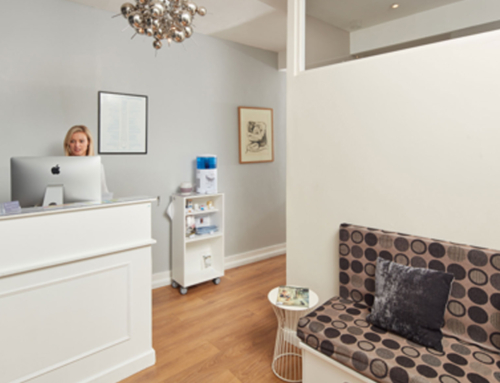
Chiropractic care aims to improve spinal alignment and nervous system function using drug-free, non-invasive manual therapy to ease pain and restore movement. This guide shows how our Battersea chiropractors assess common spinal problems, explains how adjustments and supporting therapies work, and gives practical steps you can take to reduce pain, improve posture and prevent future flare-ups.
Many local people seek a chiropractor for back pain, neck pain, sciatica and headaches, this article lays out likely causes, evidence-informed treatments and realistic timelines for recovery. You’ll learn what typically provokes lower back pain and “tech neck,” how adjustments and soft-tissue work lessen nerve irritation, and which self-care and exercises support longer-term spinal health.
We also cover family-focused care for pregnancy and children, then finish with a short local example showing how our Battersea clinic organises personalised care plans. Read on to understand treatment options, likely outcomes and how to choose safe, effective chiropractic care in Battersea.
How can our chiropractic care relieve back pain in our Battersea clinic?
Chiropractic treatment eases back pain by restoring joint mobility and reducing nerve irritation through targeted spinal adjustments, supported by soft-tissue techniques and therapeutic exercise. That combination improves movement patterns, reduces protective muscle tension and helps the body move more normally, leading to measurable pain relief and better function.
Typical results include lower pain scores, greater range of motion and improved posture over weeks to months, depending on how severe the problem is and how closely you follow your rehab plan.
Below is a quick comparison of common back conditions, their usual causes and the typical chiropractic approach so you can scan options quickly.
| Condition | Typical Cause | Chiropractic Approach |
|---|---|---|
| Lower back mechanical pain | Facet joint, ligament or muscle strain from movement or posture | Spinal adjustments and mobilisation, soft-tissue release, home exercise |
| Sciatica / nerve-root irritation | Disc bulge or local nerve compression causing leg symptoms | Centralising strategies, gentle adjustments, neural mobilisation |
| Postural back pain | Long periods sitting, weak core or pelvic imbalance | Posture correction, rehabilitation exercises, ergonomic advice |
This comparison shows how matching the diagnosis to the right treatment speeds recovery and lowers the chance of recurrence. Next we outline common causes and how each is typically managed in the clinic.
What causes lower back pain and how is it treated?
Lower back pain most often comes from mechanical strain, nerve irritation such as sciatica, or posture-related overload that stresses spinal joints and soft tissues. Assessment starts with movement tests, neurological screening and posture checks to distinguish muscle pain from nerve-root problems and to shape a personalised plan. Typical treatment mixes spinal adjustments to restore joint motion, soft-tissue work to reduce muscle tension, and progressive exercises to rebuild control and endurance. You’ll also get ergonomic tips and a staged rehab plan so short-term relief turns into lasting functional improvement.
How do spinal adjustments improve mobility and reduce pain?
Spinal adjustments help mobility by restoring normal joint movement, which reduces abnormal mechanical stress and cuts down nociceptive input from irritated tissues. When joints move more freely surrounding muscles relax and nerve pathways experience less compression, often producing quick gains in range of motion and reduced pain. Many patients notice easier bending, less stiffness and better sleep after a few sessions when adjustments are combined with soft-tissue care and home exercises. A safety-first assessment and gentle, condition-appropriate techniques mean adjustments are adapted to each person’s age, symptoms and comfort — helping set realistic expectations for recovery.
The core goal of spinal manipulation and soft-tissue techniques is to restore function and relieve pain in a safe, measured way.
Spinal manipulation and soft-tissue techniques — a short note
Practical approaches to spinal manipulation and complementary soft-tissue methods help clinicians restore joint movement and reduce muscular tension.
Spinal manipulation made simple: a manual of soft tissue techniques, 2012
What are effective treatments for neck pain and headaches in Battersea?
Neck pain and headaches are typically treated with a mix of spinal adjustments, cranial or upper-cervical balancing and targeted soft-tissue work to address joint dysfunction, muscle tension and nervous system sensitivity. The aim is to restore cervical joint movement and ease trigger points, which can reduce cervicogenic headaches and tension-type pain over a matter of weeks. Treatment varies by diagnosis — whiplash, cervicogenic headache and tech-neck all need slightly different emphasis — so accurate assessment guides the right blend of manual therapy, exercise and posture retraining. Below is a concise comparison of core treatments and what they tend to deliver.
Common treatment options explained:
- Spinal adjustments — restore joint movement and ease mechanical irritation
- Cranial therapy — gentle balancing to help reduce headache frequency
- Soft-tissue massage — eases muscle tension and improves local circulation
These are often combined into a staged plan that moves from symptom control to rehabilitation and prevention, described next by condition.
| Treatment | How it works | Expected benefit / timeframe |
|---|---|---|
| Spinal adjustments | Restores cervical joint movement and reduces mechanical irritation | Less pain and better range of motion after a few sessions |
| Cranial therapy | Gentle manual balancing of skull base and upper cervical tissues | Fewer headaches and improved sleep over several weeks |
| Massage and trigger-point release | Reduces muscle tension and interrupts the pain–spasm cycle | Immediate relaxation and short-term relief; cumulative gains with ongoing care |
How does chiropractic care address whiplash and tension headaches?
Whiplash and tension-type headaches are managed with careful assessment, graded mobility work and a progressive loading plan for the cervical spine to prevent chronic symptoms. Early treatment focuses on pain control with gentle mobilisation, soft-tissue techniques and short-term activity advice, then progresses to targeted adjustments and strengthening as symptoms allow. Clinicians watch for neurological signs and red flags to keep progression safe; most uncomplicated cases show improvement within a few weeks. Education on posture and a gradual return-to-activity plan help reduce recurrence and support longer-term recovery.
What is tech neck syndrome and how can it be relieved?
Tech neck arises from prolonged forward head posture while using phones or tablets, which places sustained strain on upper cervical joints and posterior neck muscles and can cause pain and headaches. Immediate relief comes from posture correction, targeted soft-tissue release and short mobility exercises; lasting change depends on ergonomic adjustments and strengthening of deep neck flexors and scapular stabilisers. Simple daily habits — hold screens at eye level, take frequent micro-breaks and perform quick 2–3 minute exercises — reduce load on the neck and support hands-on treatment. Ongoing maintenance and periodic reviews help keep posture improvements durable.
Recognising the features of “text neck” is key to choosing the right treatment and prevention strategies.
Understanding text neck: causes and symptoms
Text neck is an overuse or repetitive strain condition caused by prolonged forward or downward bending of the neck when using mobile devices. People with this syndrome commonly report neck pain, reduced cervical range of motion, lower muscle endurance, altered neck position sense and postural changes such as forward head carriage and rounded shoulders.
Evidence-based treatment strategies for “Text Neck Syndrome”: a review, S. Shinde, 2023
Why choose family-focused chiropractic care here in Battersea?
Family-focused chiropractic adapts techniques and care plans across life stages so infants, pregnant people and active adults all receive safe, effective manual therapy suited to their needs. Safety comes first: practitioners use gentler methods and modified positioning for children and pregnancy, plus clear guidance for parents and carers to support recovery. This approach builds lifelong spinal health by addressing posture changes during growth, the pelvic adaptations of pregnancy and sports-related mechanics early. Below is a short list of typical family-focused services available locally.
Family-focused services commonly include:
- Pregnancy support: comfort-focused adjustments and pelvic alignment during pregnancy.
- Paediatric assessment: gentle checks and non-invasive techniques for infants and children.
- Sports and active-life care: tailored rehab and soft-tissue therapy for athletes.
Adapting technique and communication to each age group improves safety and outcomes, which naturally leads into the specific benefits for pregnancy and children described next.
How does pregnancy chiropractic support mums-to-be?
Pregnancy chiropractic helps mums-to-be by addressing pelvic alignment, easing low back and pelvic girdle pain and improving mobility so daily activities feel more comfortable. Techniques are adapted for safety and comfort, using pregnancy pillows, focused soft-tissue work to relieve tension without applying pressure to the abdomen. Many patients feel less pain and better function after treatment; clinicians also liaise with other maternal health providers when needed. Early, gentle care combined with specific exercises and posture advice can make pregnancy more comfortable and support recovery after birth.
What are the benefits of chiropractic care for children’s spinal health?
Chiropractic care for children focuses on gentle, non-invasive techniques to help with common paediatric issues such as postural habits, mild asymmetries from growth and recovery after minor falls. Assessment centres on movement patterns and parental concerns, with interventions prioritising comfort, minimal force and clear advice for parents about exercises or observation. Early attention to posture and mobility can reduce compensatory patterns that might lead to pain later, and regular monitoring — rather than frequent intervention — is usually the approach, aiming to build long-term spinal resilience.
How does Northcote Chiropractic promote overall spinal wellness in Battersea?
Northcote Chiropractic uses a collaborative model combining spinal adjustments, massage therapy and bespoke care plans to support lasting spinal wellness for people in Battersea. Their approach, built around the One Body Philosophy, coordinates chiropractic and massage to address both joint mechanics and soft-tissue dysfunction, helping speed symptom relief and restore function. Practical elements include thorough assessment, tailored treatment schedules and home exercise programmes to consolidate gains and reduce relapse.
Below is a compact summary of how these service elements match patient groups and outcomes.
| Service element | Who it’s for | Benefit / outcome |
|---|---|---|
| Spinal adjustments + mobilisation | Adults with mechanical back or neck pain | Improved joint mobility and reduced pain |
| Massage therapy integrated with care | Patients with soft-tissue tension or sports injuries | Lowered muscle tension and faster recovery |
| Bespoke care plans & rehab | Families, pregnant people, athletes | Personalised progress tracking and long-term maintenance |
This summary shows how integrated elements work together to deliver practical spinal wellness. Next we explain the One Body Philosophy and what a typical bespoke plan contains.
What is the “One Body Philosophy” and how does it enhance treatment?
The One Body Philosophy views the body as an interconnected system where joint mechanics, soft tissues and the nervous system all influence one another. Coordinated care therefore tends to produce better results than isolated treatments. In practice this means chiropractors and massage therapists collaborate on assessment and session sequencing — adjustments restore joint function while massage corrects muscle imbalance — providing more complete symptom relief.
For example, combining adjustments with targeted massage for chronic low back pain reduces mechanical load and speeds rehabilitation. This joined-up approach helps patients move from symptom relief to active self-management more quickly.
How do bespoke care plans support long-term spinal health?
Bespoke care plans start with a full assessment, a clear timeline and measurable goals, then combine manual therapy, progressive exercises and regular reviews to track recovery. Plans list session frequency, home exercise prescriptions and ergonomic advice tailored to your lifestyle and condition, supporting steady progress and fewer flare-ups. Reviews let the clinician change intensity and focus over time, shifting from symptom control to strength, endurance and maintenance phases. Local patients who want to start a personalised plan can contact Northcote Chiropractic at the Battersea clinic to arrange care with the chiropractic and massage team.
- What to expect at your first appointment: a full assessment, discussion of options and a tailored plan.
- Follow-up and maintenance: scheduled reviews to measure progress and adapt care.
- Collaborative care: combined chiropractic and massage sessions where appropriate.
These steps outline a clear patient journey and invite you to call or visit the clinic to begin tailored spinal care.
Frequently asked questions
Chiropractic care is generally safe during pregnancy and can relieve common issues like back and pelvic pain. Practitioners trained in prenatal care use gentler techniques and modified positions to keep both mother and baby comfortable. Check with your healthcare provider and choose a chiropractor experienced in treating pregnant patients to ensure the best care.
To get the most from chiropractic care, include regular exercise, a balanced diet and attention to posture in your routine. Make ergonomic adjustments at work, do strengthening and stretching exercises (especially for core and back muscles) and stay hydrated. Stress management and good sleep also support recovery and long-term spinal health.
Yes. Many patients seek chiropractic help for neck pain, headaches, sciatica and joint problems. Chiropractors also treat sports injuries and postural issues, and some patients notice broader benefits as nervous system function improves. A thorough assessment will determine whether chiropractic care is appropriate for your specific concerns.
Adjustments are generally safe, though some people experience mild, short-lived effects such as soreness, stiffness or tiredness after treatment. These usually settle within 24–48 hours. Serious complications are rare when care is provided by a qualified professional. Discuss any concerns with your chiropractor before treatment so you know what to expect and how to manage temporary discomfort.
The number of sessions depends on your condition, symptom severity and treatment goals. Acute problems often start with 2–3 sessions per week, reducing as you improve. Your personalised care plan will give a clearer estimate. Keep an open dialogue with your chiropractor so the plan can be adapted to your progress.
Look for a chiropractor who is registered with the General Chiropractic Council (GCC) and has completed a recognised chiropractic degree. Additional qualifications or specialisms — for example in paediatrics or sports injuries — can indicate a broader skill set. Relevant clinical experience and patient reviews also help you choose a practitioner who fits your needs.
Conclusion
Choosing chiropractic care in Battersea gives you a holistic, evidence-informed route to better spinal health — relieving pain and restoring movement through personalised treatments. With a family-friendly approach, clinicians make sure people of all ages receive safe, effective care. By focusing on tailored plans and ongoing support you can achieve meaningful, lasting improvements.
Contact Northcote Chiropractic today to start your journey to better spinal health.